
Unraveling the historical path of gambling through the ages
The Origins of Gambling
The roots of gambling can be traced back to ancient civilizations, where games of chance played a significant role in social interactions. Archaeological evidence indicates that as early as 3000 BC, the Chinese were using rudimentary forms of gambling, often involving dice and betting on events. Similarly, the Egyptians engaged in gambling activities that revolved around various games, demonstrating that the allure of chance has long captivated human interest. Many modern players today explore top gaming options at https://slotlounge-australia.com/, where the excitement continues.

The early Romans embraced gambling as part of their culture, with dice games being a common pastime among soldiers and civilians alike. The first known regulations concerning gambling appeared during this period, suggesting that while the activity was popular, it also raised concerns about its impact on society. The Roman Empire’s vast reach allowed gambling practices to spread across Europe, laying the groundwork for the diverse forms of gambling that would emerge later.
As societies evolved, so too did gambling practices. The Middle Ages saw the establishment of various betting games, leading to the introduction of the lottery in the 15th century. This period marked a significant shift, as governments began to regulate and organize gambling activities, recognizing both their potential for revenue generation and their social implications. Thus, gambling transitioned from a purely leisure activity to a recognized component of economic activity.
The Rise of Casinos
The casino as we know it today began to take shape during the 17th century in Italy. The word ‘casino’ comes from the Italian word ‘casa,’ meaning house, which originally referred to small villas or country homes. The first official casino, the Ridotto, opened in Venice in 1638, providing a controlled environment for gambling. This establishment set a precedent for future casinos by offering games such as baccarat and faro, which attracted the elite of society.
During the 18th century, the concept of casinos spread across Europe, with establishments emerging in France and beyond. The famous Monte Carlo Casino, established in Monaco in the mid-19th century, became synonymous with luxury and opulence. These early casinos were not just venues for gambling; they served as social hubs where the wealthy gathered, thus reinforcing gambling’s role in high society.
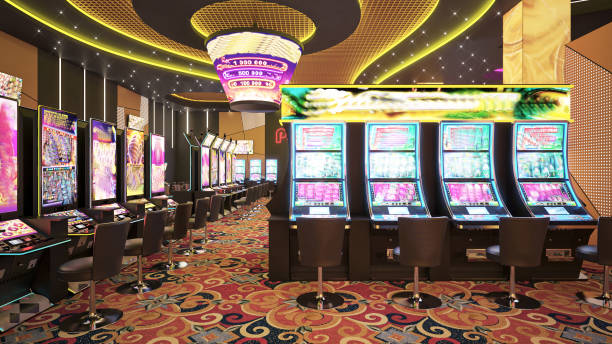
As the popularity of casinos grew, they began to evolve into elaborate entertainment complexes. The introduction of slot machines and table games like roulette and blackjack transformed the gambling landscape. The Las Vegas Strip, which emerged in the 20th century, encapsulated this evolution, becoming a global icon synonymous with entertainment and risk-taking. The casino experience expanded beyond mere gambling to include dining, performances, and a vibrant nightlife.
The Digital Revolution and Online Gambling
The advent of the internet in the late 20th century brought about a seismic shift in the gambling landscape. Online gambling emerged in the mid-1990s, allowing players to access a wide array of games from the comfort of their homes. This revolution democratized gambling, making it accessible to individuals who may not have had the opportunity to visit brick-and-mortar casinos. Websites began to offer a diverse selection of games, including poker, blackjack, and slots, catering to a global audience.
Regulatory frameworks began to take shape around online gambling, with various jurisdictions establishing laws to govern this new frontier. The appeal of online casinos grew rapidly, largely due to their convenience and the attractive bonuses they offered. Players found themselves enticed by promotions that included free spins and generous welcome packages, making online gambling not only accessible but also highly competitive.
However, the rise of online gambling also prompted concerns about regulation, addiction, and fairness. As technology advanced, live dealer games emerged, bridging the gap between online and traditional gambling experiences. This innovation allows players to interact with real dealers in real time, offering an immersive experience reminiscent of physical casinos. The digital realm continues to evolve, blending traditional elements with cutting-edge technology.
The Impact of Gambling on Society
The historical path of gambling reflects its complex relationship with society. While it has provided entertainment and generated significant revenue for governments, gambling can also lead to negative consequences, including addiction and social issues. Communities often grapple with the duality of gambling as both a source of income and a potential social ill, highlighting the need for responsible gaming practices.
Various studies have indicated that gambling can influence economic growth, particularly in regions where casinos are established. The influx of tourists and the creation of jobs in the gaming and hospitality sectors can lead to economic revitalization. However, this growth is often accompanied by societal concerns, such as the potential for gambling addiction and the impact on families and communities.
In recent years, there has been a push for more comprehensive regulations to ensure responsible gaming practices. Many organizations advocate for awareness programs and support systems to assist individuals struggling with gambling addiction. The challenge remains for society to find a balance between enjoying gambling as a leisure activity and mitigating its potential harms.
Exploring SlotLounge Australia
SlotLounge Australia stands as a testament to the evolution of gambling into the digital age. As a licensed online casino, it offers a wide variety of gaming options, including thousands of slots, table games, and live dealer experiences. Catering specifically to Australian and New Zealand players, SlotLounge provides an accessible and engaging platform for users to enjoy their favorite games without the need to visit a physical casino.
With a user-friendly interface and swift payment options, SlotLounge ensures that players have a seamless gaming experience. The site also features a generous welcome package, including substantial bonuses and free spins, making it an attractive option for both new and seasoned players. The emphasis on customer support and security further enhances its reputation as a reliable online gaming destination.
SlotLounge embodies the modern gambling experience by combining the excitement of traditional casino games with the convenience of online access. As the gambling landscape continues to evolve, platforms like SlotLounge pave the way for the future of gaming, offering players an engaging and secure environment to explore their passion for gambling.